
Different Needs. Connected Work.
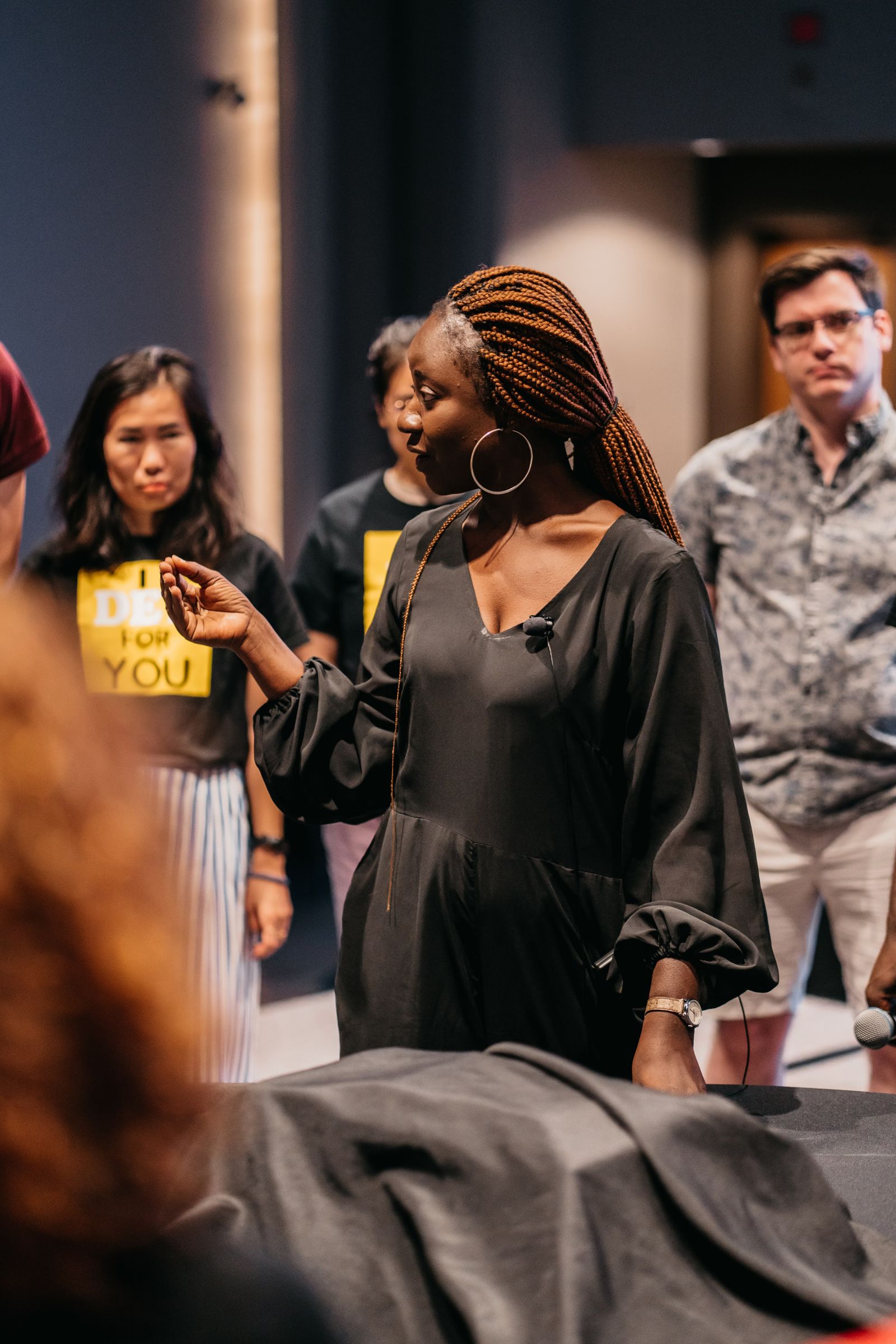
Confidence is not built in one classroom. Independence is not one skill. Inclusion is not one training session.
CTWC’s departments were developed around different parts of real life: preparing for adulthood and employment, recreation and belonging, personal safety, public understanding, and the systems organizations use to serve people.
Each department has its own purpose and its own set of services. Together, they reflect a broader idea: people should have opportunities to learn, participate, make choices, build relationships, and be understood.
REAL In Action
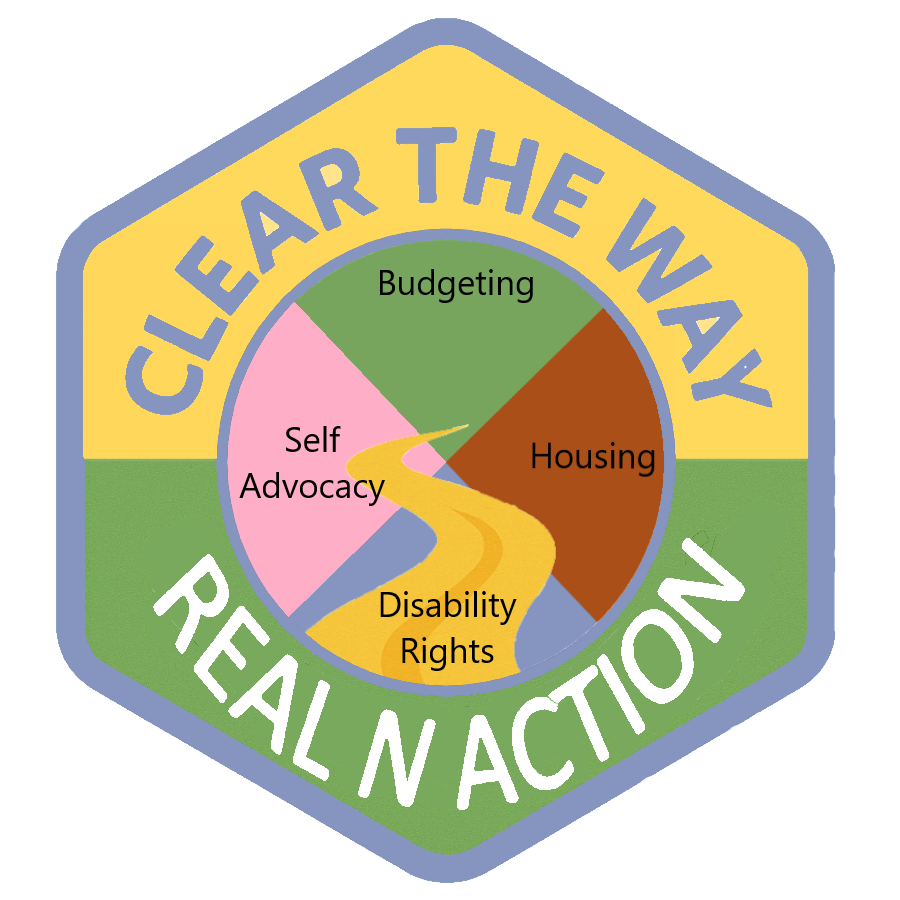
REAL In Action gives transition-age youth and adults a place to practice adult-life and employment skills, not just hear about them. Financial decisions, career exploration, self-advocacy, communication, and everyday choices come together through hands-on instruction, mentorship, realistic simulation, and the proprietary REAL In Action App. A parallel Parent & Family Track helps families build the knowledge and confidence to support independence without taking it over.

Play N Motion
Play N Motion uses adaptive recreation and hands-on experiences to build confidence, teamwork, understanding, and inclusion. Depending on the setting, that may mean adaptive sports, a school experience, professional training, or helping a program learn how to include people more effectively.

Protect Your Way
Protect Your Way starts before a physical technique is ever needed. Awareness, boundaries, communication, confidence, choice, and preparation all matter. Training is practical, adaptable, and designed to help people find approaches they can actually use.
SenseAbility
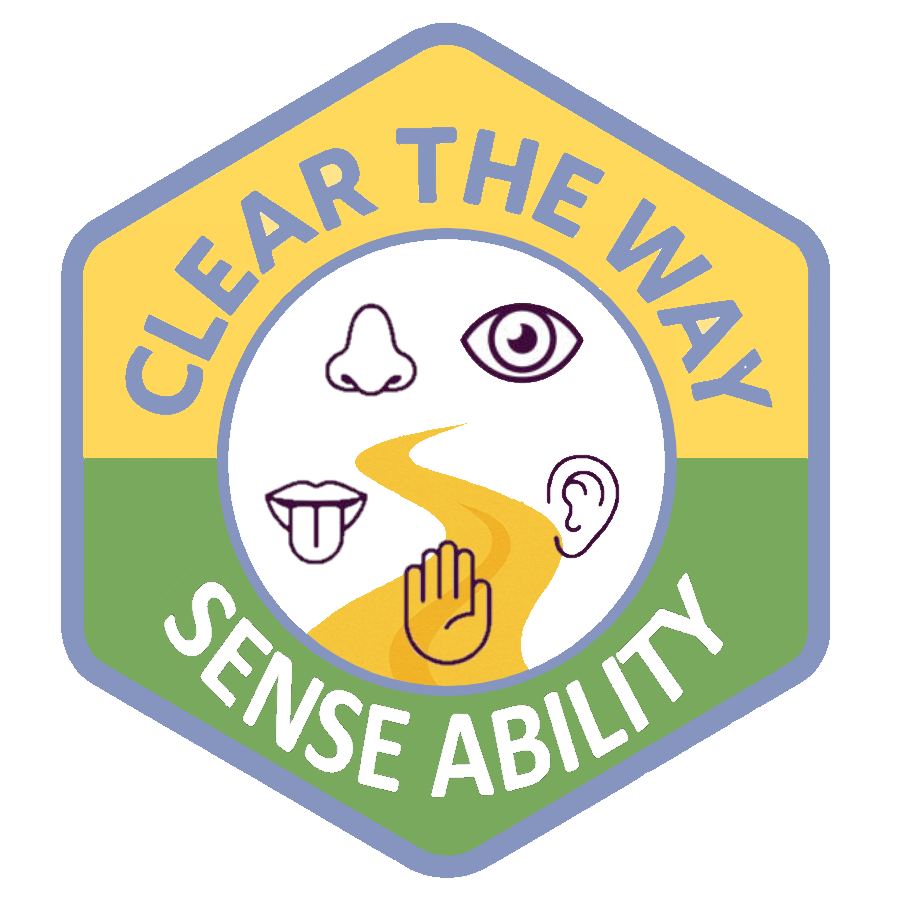
SenseAbility begins with conversation. Stories, questions, demonstrations, technology, daily life, and honest discussion help replace awkwardness and assumptions with a more balanced understanding of blindness and low vision.
Not Sure Where to Start?
You do not need to choose a department or service before talking with us. If you know the problem you are trying to solve, the audience you want to serve, or the experience you want to create, start there.