It All Begins With a Conversation
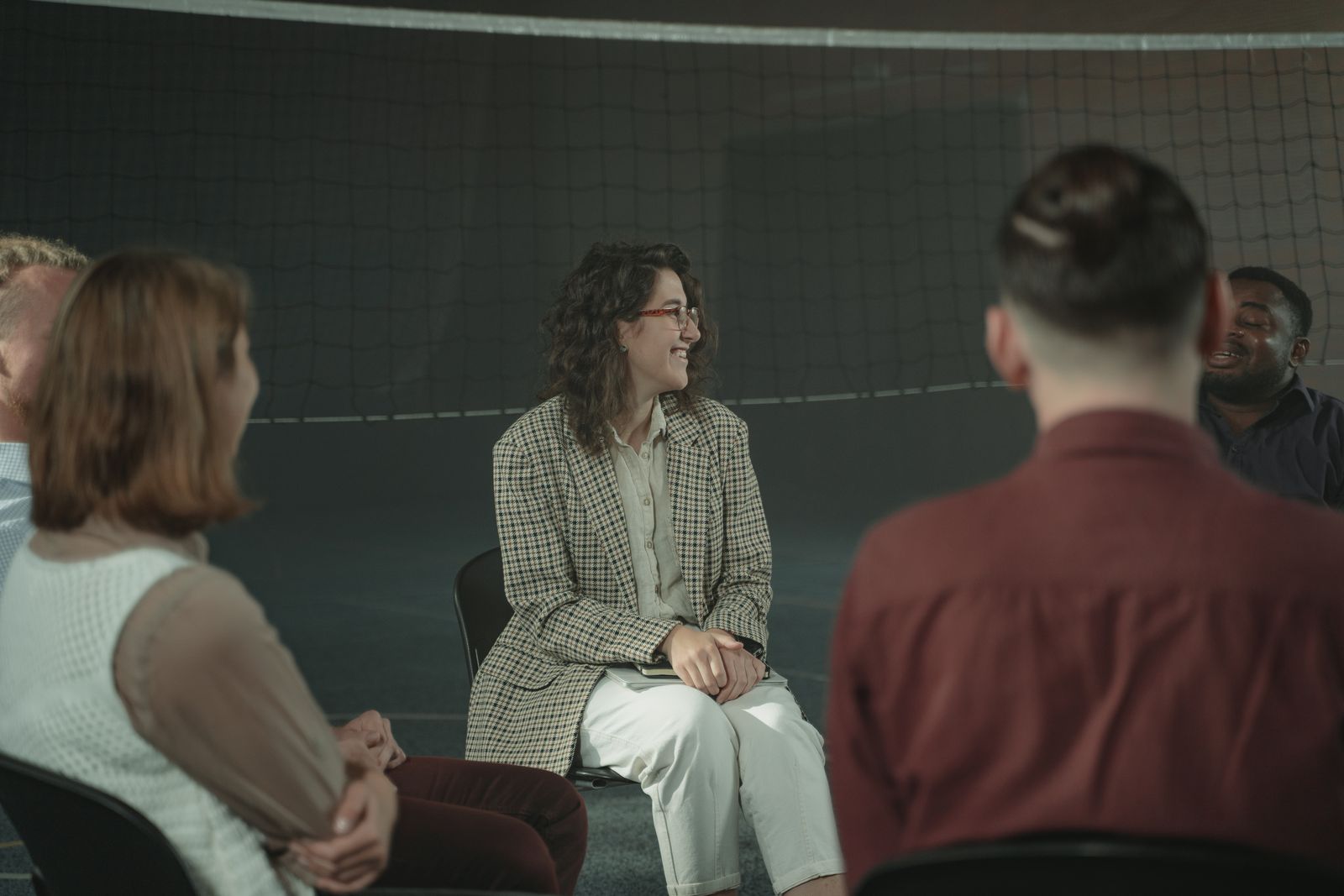
Sometimes people avoid a conversation about blindness because they are afraid of saying the wrong thing. Sometimes they want to help but do not know how. Sometimes assumptions have been around so long that nobody stops to question them.
SenseAbility creates room for a different kind of conversation.
Built from the lived experiences of people who are blind or have low vision, SenseAbility uses stories, questions, demonstrations, technology, everyday experiences, and honest discussion to make blindness less mysterious and human interaction less awkward.
Ask. Listen. Learn.
SenseAbility is not built around telling sighted people that they are doing everything wrong.
It begins by listening. How do people prefer to be approached? What kinds of help are useful? Why can an offer of assistance feel different from having someone take over? What assumptions do people make about work, parenting, technology, recreation, travel, faith, or everyday life?
Good questions can open doors that assumptions keep closed.
What a SenseAbility Experience May Include
- Personal stories and lived experience
- Blindness and low-vision myths, assumptions, and everyday realities
- Assistive technology and AI
- Daily living tools and techniques
- How to offer assistance respectfully
- Guide techniques and practical interaction
- Recreation, work, family life, and community participation
- Faith-centered discussion in appropriate settings
- Audience questions and open conversation
Seeing the Whole Person
SenseAbility does not pretend that blindness comes without challenges. It also refuses to make those challenges the whole story.
People who are blind or have low vision work, raise families, use technology, travel, play sports, create art, lead organizations, worship, cook, shop, argue, laugh, solve problems, ask for help, and contribute to their communities.
The details may sometimes look different. The life is still a life.
For Schools, Churches, Businesses, and Community Groups
SenseAbility can be shaped for different settings while keeping its blindness and low-vision lived-experience foundation.
A children’s group may need a very different conversation from a church staff, employer, civic organization, or professional audience. The core approach remains the same: create understanding through real people, real questions, and practical interaction.
New Voices, Heard Clearly
SenseAbility also helps people who are blind or have low vision learn to tell their own stories, speak about inclusion, and become stronger public presenters and advocates.
This work matters because people should not only be talked about. They should have opportunities to speak for themselves, shape the conversation, and be heard on their own terms.
A Better Question
Instead of asking, “What can a blind person do?” SenseAbility invites people to get to know the person, ask better questions, and discover the answer through conversation, experience, and connection.
That is where the conversation gets interesting.