You Are Worth Protecting
Personal safety is not only about what happens after something goes wrong.
It begins with awareness. It includes boundaries, communication, decision-making, confidence, and knowing that you have choices.
Protect Your Way teaches practical personal safety and self-protection skills in ways that can be adapted to the person in front of us—not the other way around.
Safety Starts Before a Technique
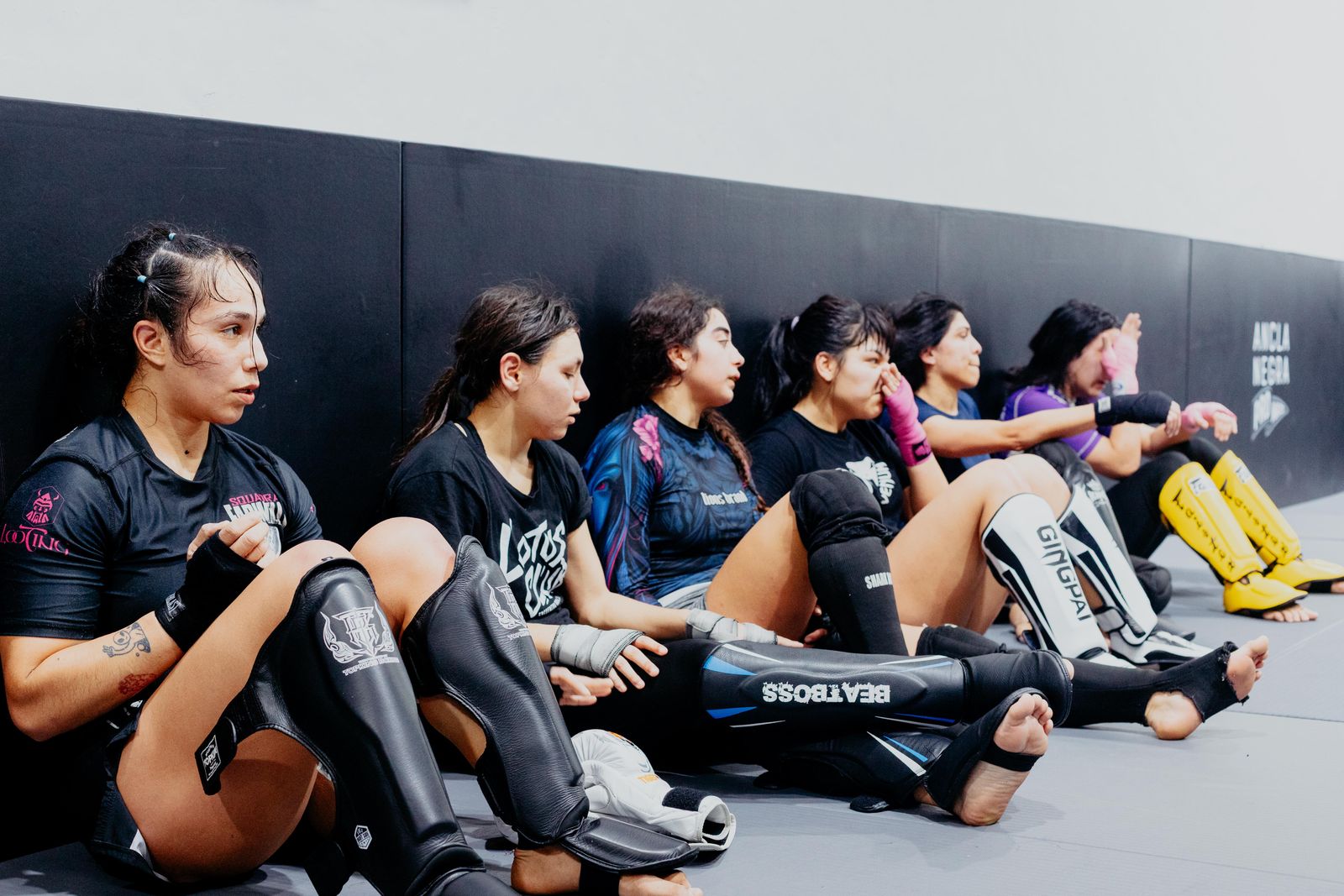
Physical techniques can matter, but they are only one part of the program.
Participants may work on recognizing uncomfortable situations, setting and communicating boundaries, using their voice, de-escalating when appropriate, staying aware of surroundings, responding to unwanted contact, and practicing protective movements in a controlled setting.
The goal is not to make people afraid of the world. It is to help them feel more prepared to move through it.
Built for Choice
There is rarely only one correct response to a safety situation. People have different bodies, mobility, experience, comfort levels, environments, and personal boundaries.
Protect Your Way is built around options. Instructors help participants understand strategies, practice them, and find approaches that make sense for them.
A Special Understanding of Disability and Blindness
CTWC brings particular expertise in adapting personal safety instruction for people who are blind or have low vision. That includes situations that may be familiar to independent blind travelers, such as being grabbed, redirected, or physically moved by someone who believes they are helping.
At the same time, the core lessons—awareness, boundaries, communication, confidence, and preparedness—are not limited to blindness. Protect Your Way adapts those lessons for individual, school, agency, and community settings.
Training Can Grow With the Participant
One workshop can introduce useful concepts. Ongoing practice can build stronger habits, balance, movement, confidence, and muscle memory.
Protect Your Way is a broader training system that includes introductory workshops, ongoing classes, specialized sessions, and instructor-development pathways. CTWC matches the format and emphasis to the audience, setting, goals, and accessibility needs.
For Organizations and Groups
Schools, disability organizations, community groups, churches, conferences, and other organizations may contact CTWC about group training or customized workshops.
We will start with your audience, setting, goals, and accessibility needs rather than assuming one class fits every group.